Understanding and Overcoming Performance Anxiety
February 10, 2024 · Reading time: 11 minutes
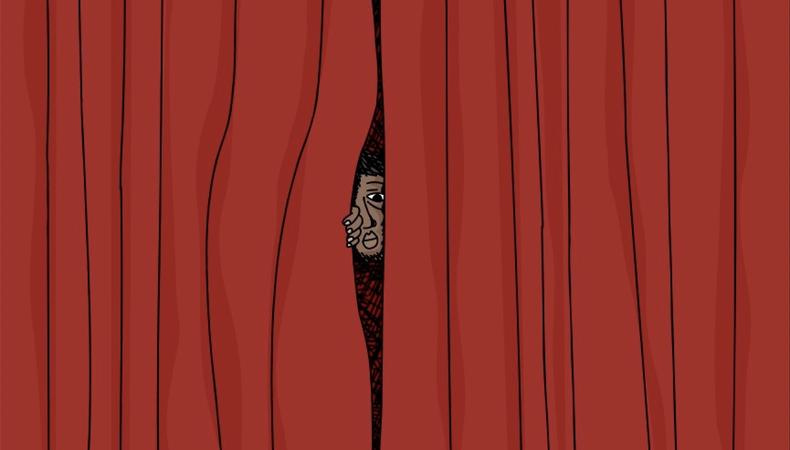
As a doctor specializing in anxiety disorders, I've witnessed firsthand the crippling grip of performance anxiety. It's more than just pre-show jitters; it's a complex beast that claws at physical and emotional well-being, often silencing potential and hindering success.
Imagine a student facing a crucial exam, their mind clouded by self-doubt, their body betraying them with trembling hands and racing heart. Or picture an athlete on the cusp of victory, their muscles tightening, their focus blurring under the pressure of expectation. These are just a few faces of the 41% of adults who grapple with performance anxiety, a statistic that underscores its pervasiveness.
Symptoms: A Symphony of Distress
Performance anxiety doesn't announce itself with a simple "hello." It orchestrates a symphony of distress, conducting a chorus of physical, emotional, and behavioral symptoms:
- The physical conductor: Sweaty palms, a racing heart, and nausea form the percussion section, creating a chaotic rhythm that disrupts focus.
- The emotional chorus: Anxiety, worry, and self-doubt hum in the background, their discordant notes eroding confidence and self-belief.
- The behavioral dancers: Avoidance becomes a desperate waltz, while procrastination and negative self-talk lead a macabre tango, further entrenching the anxiety.
The Roots of the Stage Fright: A Multifaceted Culprit
While the spotlight may trigger the performance, the root of the anxiety lies deeper. It's a complex interplay of factors:
- Biological whispers: Genetic predispositions and neurochemical imbalances can set the stage for anxiety's emergence.
- Psychological narratives: Perfectionism, low self-esteem, and negative thinking patterns act as the script, dictating a story of self-doubt and inadequacy.
- Social pressures: The fear of judgment and the pressure to meet expectations become the demanding director, pushing individuals to the brink.
The Ripple Effect: When Anxiety Steals the Show
Unchecked performance anxiety can wreak havoc on various aspects of life:
- Cognitive blackout: Focus and memory falter during crucial moments, hindering performance and academic or professional success.
- Social disconnect: Avoidance and emotional withdrawal strain relationships, leaving individuals feeling isolated and misunderstood.
- Psychological darkness: In severe cases, performance anxiety can contribute to depression and a decline in overall well-being.
Curtain Call: Taking Control of the Stage
But here's the empowering news: performance anxiety doesn't have to hold the final curtain. As an anxiety specialist, I'm here to assure you that effective treatments and resources are available to help you reclaim your confidence and shine under the spotlight:
- Cognitive-behavioral therapy (CBT): This evidence-based approach equips you with tools to challenge negative thoughts and develop coping mechanisms to manage anxiety effectively.
- Relaxation techniques: Deep breathing, mindfulness meditation, and progressive muscle relaxation can calm the physical symptoms and bring a sense of inner peace.
- Exposure therapy: Gradually confronting your anxiety triggers in a safe and controlled environment can build resilience and confidence over time.
Remember, you're not alone
- Support groups and online communities offer a space to connect with others who understand your struggles.
- Mental health professionals are trained to provide guidance and support on your journey to overcome anxiety.
- Credible resources like the Anxiety and Depression Association of America (ADAA) and the National Institute of Mental Health (NIMH) offer valuable information and support.
Take the first step today towards liberation from the binds of performance anxiety by taking our comprehensive online anxiety test. This is your moment to step out from the shadows of apprehension and into the light where your talents can truly shine. The spotlight is not a beacon of your fears, but a testament to your capabilities. Equipped with the right tools and support, and guided by insights from our anxiety test, you can transform stage fright into a triumphant applause celebrating your resilience and triumph.
Frequently Asked Questions About Performance Anxiety
What is performance anxiety and is it a clinical condition?
Performance anxiety is intense fear or apprehension in situations where you feel evaluated — public speaking, exams, sports competitions, musical performances, or professional presentations. It sits on a spectrum: situational nervousness that improves with experience is normal, while performance anxiety that consistently avoids, impairs functioning, or causes significant distress may meet criteria for Social Anxiety Disorder (SAD) or Specific Phobia. A clinical assessment determines whether formal treatment is warranted.
What are the most effective treatments for performance anxiety?
Cognitive Behavioural Therapy (CBT) has the strongest evidence base for performance anxiety. Exposure therapy — gradually facing feared situations rather than avoiding them — is the most powerful component. For musicians and public speakers, performance-specific CBT protocols have been developed. Beta-blockers (such as propranolol) are sometimes prescribed short-term to manage physical symptoms like racing heart and shaking, though they do not address the underlying psychological patterns. Mindfulness-based approaches are also showing promising results.
How does performance anxiety differ from general anxiety?
General anxiety disorder (GAD) involves pervasive, hard-to-control worry across multiple life domains, including everyday situations. Performance anxiety is more situationally specific — triggered by evaluation contexts — and may not be present at all in other areas of life. A person can have high performance anxiety and very low general anxiety, or vice versa. The distinction matters for treatment, as performance-specific CBT protocols differ from those used for GAD.
Can performance anxiety be linked to ADHD?
Yes, and this connection is underappreciated. People with ADHD frequently develop performance anxiety as a secondary consequence of a history of underperforming, forgetting things, and being criticised in evaluative contexts. The anticipation of failure triggers intense anxiety before tests, presentations, or performances. Additionally, ADHD-related emotional dysregulation amplifies the physical and emotional symptoms of performance anxiety. Treating the underlying ADHD often reduces performance anxiety significantly.
What can I do immediately before a high-stakes performance to reduce anxiety?
Several evidence-supported strategies can reduce acute performance anxiety: diaphragmatic breathing (slow, deep breaths activating the parasympathetic nervous system); reframing arousal as excitement rather than fear (research by Alison Wood Brooks at Harvard shows this significantly improves performance); brief mindfulness grounding; and avoiding catastrophic thinking by focusing on preparation rather than outcomes. Adequate preparation, deliberate practice, and familiarity with the environment also reduce novelty-driven anxiety.
When should I seek professional help for performance anxiety?
Consider seeking professional support when performance anxiety is causing you to avoid important opportunities, when it significantly impairs your performance despite preparation, when it is spreading to additional situations, or when the distress it causes is affecting your daily wellbeing. A clinical psychologist or CBT therapist can provide an assessment and develop a tailored treatment plan. Many people see substantial improvement within 8–12 therapy sessions.
References
- Clark, D.M. & Wells, A. (1995). A cognitive model of social phobia. In R.G. Heimberg et al. (Eds.), Social Phobia: Diagnosis, Assessment and Treatment. Guilford Press.
- Brooks, A.W. (2014). Get excited: Reappraising pre-performance anxiety as excitement. Journal of Experimental Psychology: General, 143(3), 1144–1158.
- Nagel, J.J. (2010). Treatment of music performance anxiety via psychological approaches. Current Psychiatry Reports, 12(2), 122–127.
- Hofmann, S.G. & Smits, J.A.J. (2008). Cognitive-behavioral therapy for adult anxiety disorders: A meta-analysis of randomized placebo-controlled trials. Journal of Clinical Psychiatry, 69(4), 621–632.
- National Institute for Health and Care Excellence (2013). Social anxiety disorder: recognition, assessment and treatment (CG159). nice.org.uk/guidance/cg159
Written and clinically reviewed by Adeel Sarwar, Consultant Psychologist (DClinPsy, HCPC Registered, MBPsS). Adeel has over 15 years of experience in neurodevelopmental assessment across NHS and independent settings, specialising in ADHD and autism across the lifespan. He is a member of the British Psychological Society and is committed to evidence-based, compassionate care.
If performance anxiety or attention difficulties are affecting your daily life, our free validated ADHD self-assessment can help you understand whether ADHD may be a contributing factor worth exploring with a professional.

Written & clinically reviewed by
Dr Marc Mandell
LPCC · Licensed Professional Clinical Counselor
Dr Mandell is a Licensed Professional Clinical Counselor with over 15 years of experience specialising in adult ADHD assessment and cognitive behavioural approaches. Full profile →
Medical disclaimer: This article is for informational purposes only and does not constitute medical advice. It is not a substitute for professional clinical assessment. If you have concerns about ADHD or any mental health condition, please consult a qualified healthcare professional. Read full disclaimer.